
[Video] Framatome creates a dedicated space subsidiary
Specialists in fuel, materials and forging, Framatome is determined to put its expertise at the service of space exploration. Already active in this field, the company has launched a dedicated subsidiary: Framatome Space.
Access to the solar system and the long-term settlement of man on the Moon or Mars will only happen with nuclear power. The performance of the atom for nuclear propulsion and life support systems are vital to the new impetus driving the conquest of space. Framatome has decided not to miss this opportunity. On Thursday, October 19, the French company, with its 65 years of experience, announced the creation of a dedicated subsidiary: Framatome Space.
📢 Framatome announced today that it is putting its 65 years of nuclear and industrial expertise at the service of the space industry with the creation of a new brand : Framatome Space.
🚀Watch the launch video ➜#nuclearenergy #Space #energienucléaire #NuclearFuel pic.twitter.com/K6yrmoE7qN— Framatome (@Framatome_) October 19, 2023
Framatome has already been involved in this sector for 65 of the company’s history. In a press release, Bernard Fontana points out that the company already supplies the space industry with “domes for the tanks of launchers and hafnium for the hardened alloys for spacecraft”. Now it’s a question of “taking things to the next level”, explains the CEO, who assures us that nuclear propulsion will offer “missions to gain in speed and efficiency”.
Reducing astronauts’ exposure to space radiation
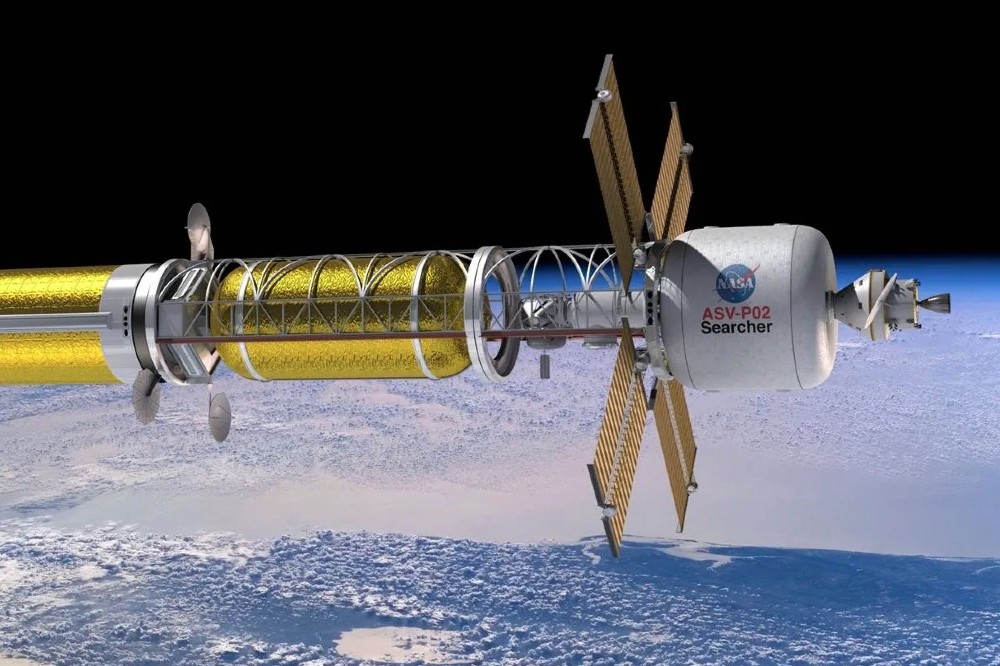
Nuclear power’s performance is essential in the objective of missions with humans on board to the Red Planet. “Nuclear propulsion can offer higher speeds and greater efficiency. It would significantly reduce the time needed to reach Mars, for example, and, in so doing, reduce exposure times to intense space radiation”, explains Framatome in a press release.
Framatome Space aims to design and supply equipment or services, to provide specific fuels, and to use Framatome’s ability to work in highly constrained sectors. NASA is considering a human return to the Moon as early as 2024, with the eventual construction of a base on our satellite. As for Mars, private companies such as SpaceX are planning missions over the next decade. ■