
Niger: Orano denounces the sale of uranium from its former sites
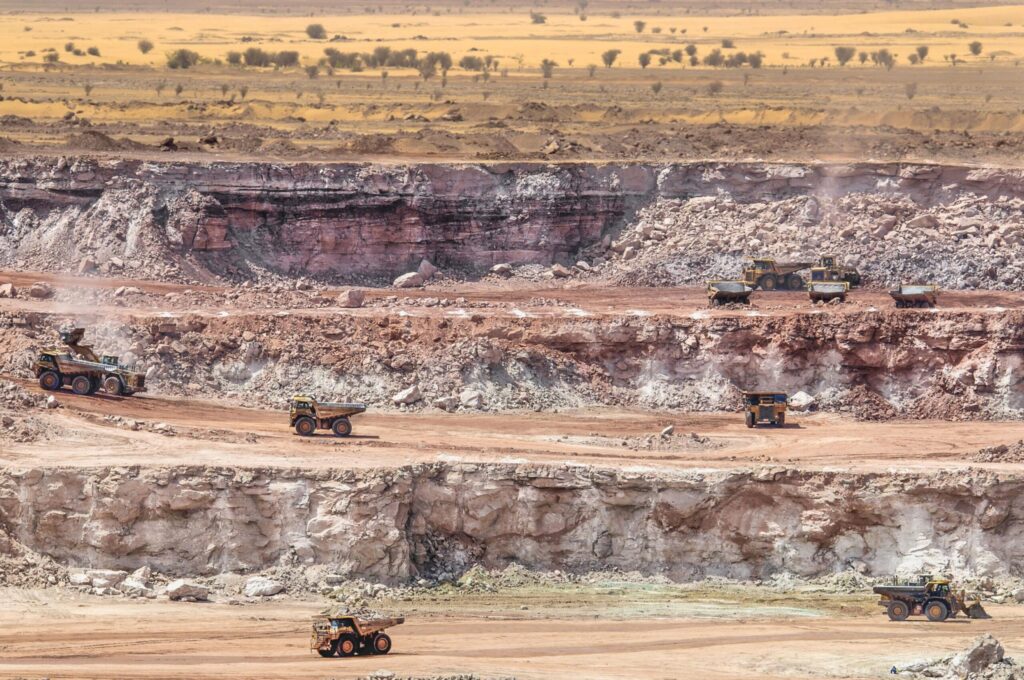
A new episode has unfolded in the dispute between Orano and Niger. The country has begun selling uranium stocks stored on the nationalised sites of the French company. This move contravenes international decisions aimed at resolving the conflict.
Tension between Orano and the Nigerien government remains high. The French group condemns the illegal transport of uranium stockpiles stored at the Somaïr site, a facility that belonged to Orano before its forced nationalisation by the junta that came to power in 2023.
“The group, having lost operational control of its Nigerien mines since December 2024, has no official information regarding the quantity of uranium transported, its final destination, or the conditions of this transport in terms of safety and security,” the French company stated in a press release published on 27 November.
An anonymous source told Reuters that around 1,050 tonnes of uranium had been moved out of Somaïr, without specifying either the destination or the buyer.
Contrary to international law
The Nigerien government responded promptly. The day after the press release, President Abdourahamane Tiani justified the move, asserting that the country was exercising a “legitimate right” by selling the uranium. For the government, selling the material is a means of reclaiming national sovereignty over its natural resources.
However, international law does not support this interpretation. The transport of the uranium violates a ruling by the International Centre for Settlement of Investment Disputes (ICSID). At the end of September, the tribunal had formally opposed the sale of approximately 1,300 tonnes of uranium stored at Somaïr, with an estimated market value of €250 million.
Judicial counter-attack
In addition to going against this ruling, the Nigerien government has decided to take legal action against Orano. On 2 December, Justice Minister Alio Daouda announced during a press briefing his intention to prosecute the French company following the discovery of “400 barrels containing radioactive drill cores”, according to several local media outlets.
The government accuses Orano of failing to comply with its obligations regarding the processing and disposal of radioactive waste.
When Somaïr was nationalised in June 2025, the government had already accused Orano of “irresponsible, illegal and disloyal behaviour” toward the country. The French group had lost operational control of the facility six months earlier. Besides this company, Orano owns two other mining subsidiaries in Niger: Cominak, closed since 2021, and Imamouren, whose exploitation permit was withdrawn in June 2024.
The latter site is considered one of the world’s largest uranium deposits, with reserves estimated at around 200,000 tonnes. ■